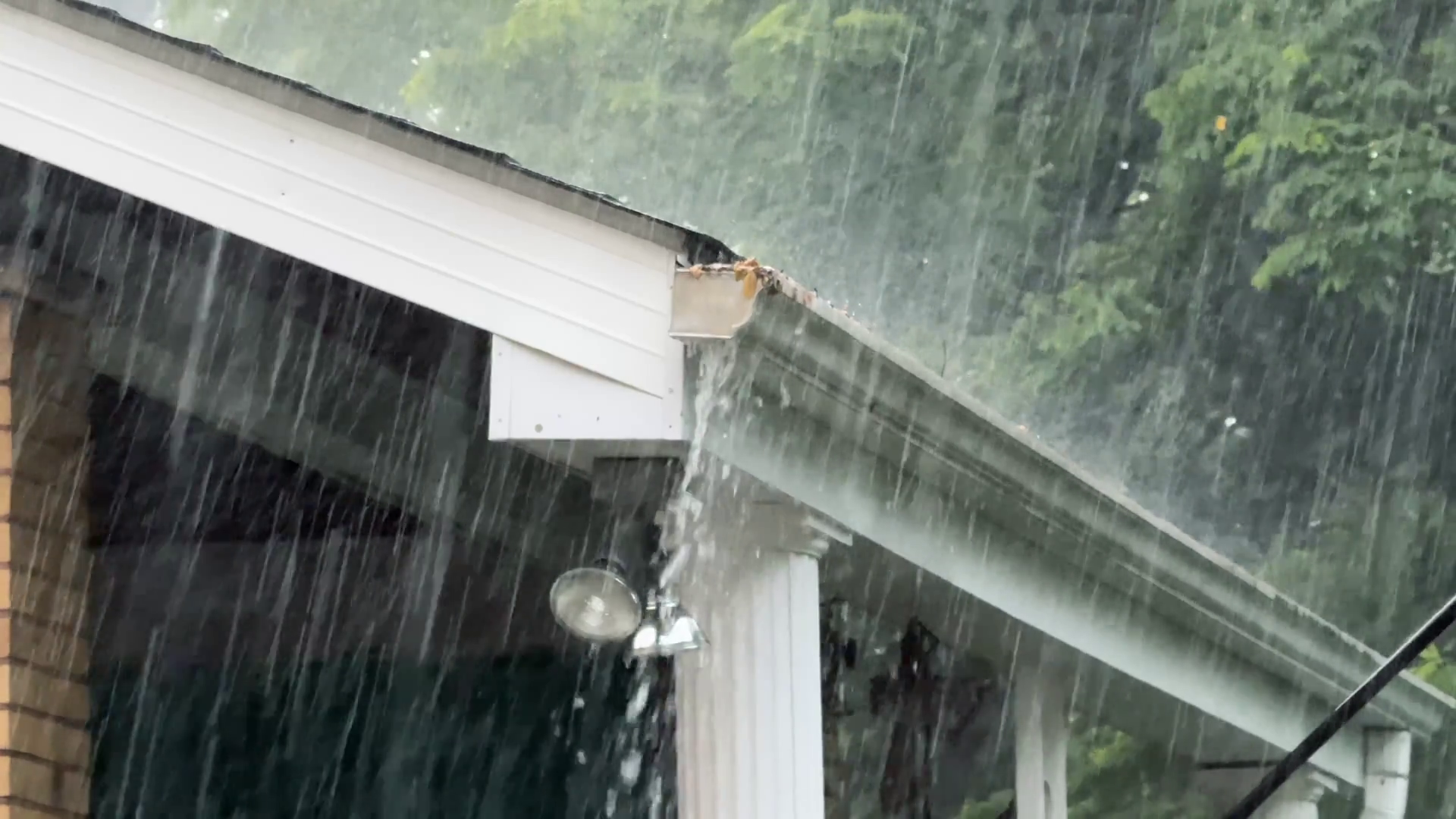
Quick Takeaways
- Gutters often leak due to clogs, especially when debris builds up in downspouts or gutter seams, preventing proper water flow.
- Poor installation, which includes improper pitch or loose fasteners, can lead to standing water and eventual leaks.
- Rust, corrosion, cracks, or damaged end caps can create weak spots that let water escape.
- Worn-out seams and joints, especially in sectional gutters, are common failure points; seamless gutters reduce these risks significantly.
If you’ve noticed water dripping where it shouldn’t be, you might be wondering: “Why are my gutters leaking?” At Fisher Raingutter, it’s a question we’ve heard countless times, and it’s one worth asking. Leaking gutters can lead to water damage, foundation issues, and even pest infestations if left unchecked. Fortunately, most gutter leaks can be traced back to a few common causes—and the good news is, they’re often fixable!
1. Clogged Downspouts – The Main Culprit
One of the most frequent reasons for a leaking gutter system is a clogged or plugged downspout. When leaves, dirt, and debris build up in your gutters, they prevent water from flowing freely, causing it to spill over the sides or leak through seams. Regular gutter cleaning can help prevent this issue and keep water moving where it should.
2. Improper Gutter Pitch or Sagging Gutters
For gutters to function properly, they need to be slightly sloped toward the downspouts. If they are improperly pitched or sagging, water can pool in certain areas instead of draining efficiently. Over time, standing water can lead to corrosion, increased bowing, and more leaks. Adjusting the gutter’s slope or reinforcing sagging sections can often resolve this problem.

3. Gutters Pulling Away from the Fascia
If your gutters appear to be separating from your home’s fascia (the board they’re attached to), leaks may not be far behind. Loose or pulling gutters create gaps where water can escape. This issue is often caused by failing fasteners, wood rot in the fascia, or the weight of debris-laden gutters. Reattaching the gutters with new brackets or replacing damaged fascia boards can restore a proper seal.
4. Missing or Deteriorating Caulking
Over time, the caulking or sealant used at gutter joints—especially around elbows and seams—can wear out, crack, or go missing. This creates small but steady leaks that worsen with each rainfall. If your gutters are otherwise in good shape, applying fresh caulking to these problem areas can be a quick and effective fix.
When to Repair vs. When to Replace
In most cases, a system tune-up or minor repair can stop a gutter leak and extend the life of your system. However, if your gutters are old, rusted, or repeatedly leaking despite repairs, it might be time to consider replacing the existing system with a more efficient option, such as seamless gutters.
Don’t Ignore a Leaking Gutter—Fix It Now!
No matter the cause, fixing a leaking gutter sooner rather than later can prevent costly water damage and bigger headaches down the road. Whether it’s a simple clog, a loose fastener, or a more significant issue, addressing the problem now will keep your home protected.
Need expert help with your leaking gutters? Contact us today for a professional assessment and get your gutter system back in top shape!